How to Learn Copywriting Through Practice

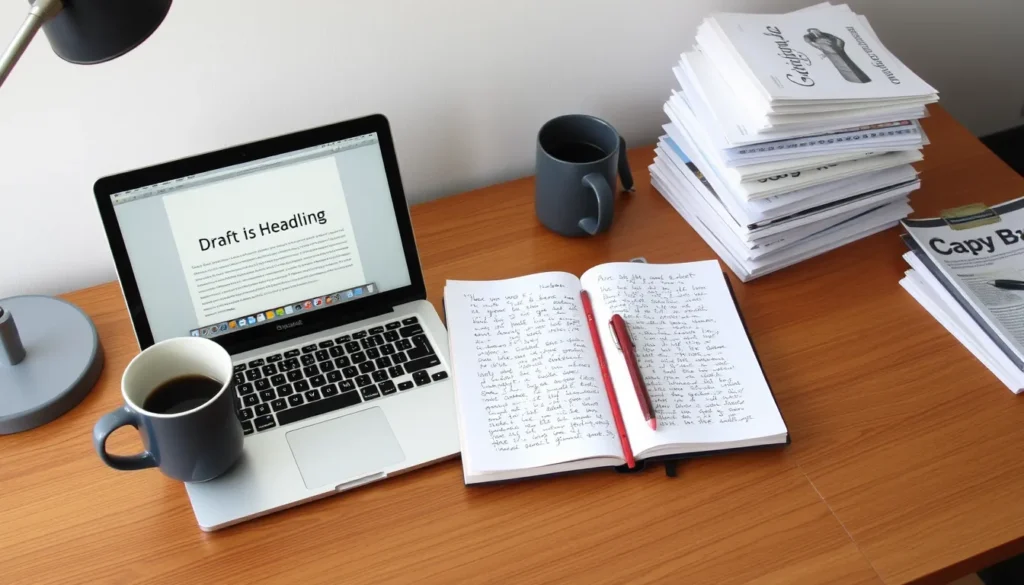
If you’re an aspiring copywriter, marketer, or freelancer who’s tired of theory‑heavy courses and wants real‑world results, this guide is for you. You’ll learn how to turn any piece of everyday writing into a focused training session.
By following a step‑by‑step routine, you’ll produce copy that hits the right headline, USP, and CTA, see measurable improvement in conversion, and build a portfolio that proves your skill to clients.
The process is simple, repeatable, and designed to surface common mistakes before they become habits, so you can accelerate your growth without endless trial and error.
Define Your Practice Blueprint
To start seeing measurable gains in how to learn copywriting through practice, you need a clear blueprint that turns vague ambition into concrete daily wins. Below is a repeatable routine you can set up in under an hour.
- Pinpoint a copy goal. Choose one metric—e.g., write three headline variations that boost click‑through by at least 5% or craft a USP that resonates with a defined target audience. Result: You know exactly what success looks like, so every exercise has purpose.
- Schedule realistic blocks. Allocate 20‑30 minutes on weekdays and a longer 60‑minute slot on weekends. Mark these times in your calendar as “Copy Practice.” Result: Consistency builds habit without overwhelming your workload.
- Gather the right tools. Keep a physical notebook for quick ideas, a digital editor (Google Docs, Notion, or a markdown app) for drafting, and a swipe file of ads you admire. Result: You always have a place to capture inspiration and a clean workspace for revisions.
- Set up a progress tracker. Create a simple table with columns for date, goal, draft, CTA, and conversion estimate. Update it after each session. Result: Visual data lets you spot trends and celebrate incremental improvements.
Common mistake: Trying to tackle too many goals at once. Focus on one copy element per week; spreading effort dilutes learning and stalls measurable progress.
Analyze Proven Ads and Break Them Down
Now that your tracker is live, shift focus to the ads that already win. By dissecting 3‑5 high‑performing pieces you create a reusable template that shows exactly how headline, hook, benefits, USP, and CTA work together to drive conversion.
- Select the ads. Pick campaigns that match your target audience and have clear, measurable results (e.g., email sign‑ups, sales, or clicks). Save the full copy, the visual layout, and any headline variations.
- Map the anatomy. For each ad, create a simple table with columns for headline, hook, benefits, USP, and CTA. Fill in the exact wording and note the placement.
- Spot the triggers. Identify the psychological driver behind each element—scarcity, social proof, authority, or curiosity. Write a brief note next to the component (e.g., “scarcity: limited‑time offer”).
- Synthesize the pattern. Compare the 3‑5 ads side‑by‑side. Highlight recurring structures, such as a benefit‑first headline followed by a curiosity hook, then a USP‑driven benefit list, and a clear CTA.
Result: A clear, repeatable blueprint that shows exactly which copy moves your target audience toward conversion.
Common mistake: Copying the headline verbatim without adapting the underlying trigger to your own audience. The headline may have worked for a different demographic; re‑engineer the hook and USP to fit the specific needs and desires of the audience you’re writing for.
Execute Daily Micro‑Copy Exercises
Turn the blueprint into a habit by writing a micro‑copy piece every day. Each drill focuses on a single element you identified in the analysis stage—headline, USP, CTA, or audience hook—so you can see incremental improvement.
- Pick one element. Choose whether today’s task is a headline, an email subject line, or a product blurb. Result: Clear focus prevents scattered effort and lets you measure progress on that specific skill.
- Set a 10‑minute timer. Write three variations that each highlight a different angle of the USP for your target audience. Result: Rapid ideation trains you to generate compelling copy under real‑world time constraints.
- Apply a single CTA. Attach a concise call to action that aligns with the copy’s purpose (e.g., “Get the guide now”). Result: You learn how CTA placement influences conversion intent.
- Score your drafts. Use a simple checklist—relevance to audience, clarity of USP, emotional trigger, CTA strength. Mark each draft with a 1‑5 rating. Result: Objective scoring creates measurable data for later comparison.
- Archive and label. Save the three versions in a dated folder, tagging the element you practiced. Result: A growing library shows tangible progress and provides material for future portfolio pieces.
Common mistake: Rewriting the same headline template without altering the hook. This yields superficial variation and stalls conversion growth. Always shift the underlying trigger to match the specific desires of your target audience.
Gather Structured Feedback and Refine
To turn drafts into stronger copy, embed a feedback loop that forces objective evaluation before the next rewrite. Start by sharing each piece with at least two sources: a small peer group (e.g., a local writing meetup) and an online forum dedicated to copywriters. Ask reviewers to focus on three criteria—clarity of the USP, relevance to the target audience, and the persuasiveness of the CTA.
- Use a checklist. A five‑item list (headline grabs attention, USP is clear, benefits outweigh objections, CTA is specific, tone matches audience) keeps feedback consistent. Tick each box and note any “no” responses.
- First revision. Incorporate only the items flagged by both reviewers. Rewrite the headline to sharpen the hook, adjust the USP wording for specificity, and make the CTA action‑oriented. Save this version as “v2”.
- Second revision. Run the same checklist on “v2”. If any items remain unchecked, make targeted tweaks—often a single word change can boost clarity or urgency. Save as “v3”.
- Record impact. In a simple spreadsheet, log the version number, the exact change made, and the observed result (e.g., higher click‑through rate in a test email or clearer feedback from peers). Over time the log reveals which types of adjustments most improve conversion.
Common mistake: Accepting the first round of praise and stopping after one edit. Without a second, structured review you miss subtle friction points that keep the copy from converting at its highest potential.
Assemble a Growing Portfolio
With a set of polished pieces in hand, you can turn practice into proof. Building a living portfolio shows future clients or employers the concrete results of How to Learn Copywriting Through Practice and lets you track your own progress toward higher conversion.
- Select the strongest revised copy. Choose the version that most clearly delivers the USP, grabs attention with a tight headline, and drives the desired CTA. Aim for a handful of examples per format rather than a bulk of mediocre drafts.
- Organize by format. Create sections for emails, landing pages, social ads, and product descriptions. Within each section, order pieces chronologically so the upward trend in quality is visible at a glance.
- Add brief case notes. For every item, write a 2‑sentence summary that includes the target audience, the core USP, the main headline, the CTA used, and the observed result (e.g., higher click‑through or clearer feedback).
- Refresh monthly. Schedule a recurring calendar reminder to review the collection, replace older work with newer, higher‑performing pieces, and update the case notes with the latest metrics.
Common mistake: Treating the portfolio as a static dump and never pruning outdated copy. Without regular curation, the collection can become cluttered, making it harder to demonstrate real growth and diluting the impact of your best work.
